Exclusive Offer For Vista And Surrounding Areas!
Attention Vista! Stop Suffering From Back Pain, Neck Pain & Headaches Starting Today
This Revolutionary Non-Surgical Treatment Offer Is For You If You Have Constant Back Pain, Neck Pain, Migraines, Muscle Spasms, Bulging Discs Or Herniated Discs
100% secure. We never share or spam your info.
Offer Includes:
- Spinal Decompression Exam (Get To The Cause)
- Muscle & Nerve Assessment
- Doctor's Report of Findings (Your Action Plan)
- Care Plan Recommendations (Your Healing Roadmap)
- Hope, Help, Answers
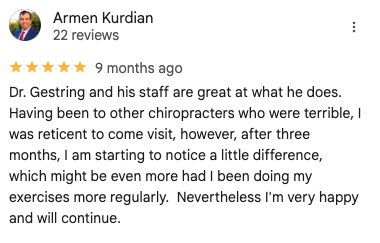
What Patients Are Saying:



Decompression has been proven to provide relief from:
- Back Pain
- Sciatica
- Numbness & Tingling
- Failed Back Surgery
- Bulging Discs
- Muscle Spasms
- Herniates Discs
Frequently Asked Questions
1. What is spinal decompression therapy, and how does it work?
Spinal decompression therapy is a non-surgical treatment designed to relieve pressure on the spine, specifically targeting conditions like herniated or bulging discs, sciatica, and chronic back or neck pain. During the treatment, a motorized traction table gently stretches the spine to create negative pressure within the discs. This allows nutrients, oxygen, and fluid to flow back into the discs, promoting healing and reducing pain. It helps to rehydrate discs, relieve nerve compression, and improve mobility.
2. Is spinal decompression therapy safe?
Yes, spinal decompression therapy is generally considered safe when performed by a trained professional in a clinical setting. It’s a non-invasive treatment with minimal side effects, but it may not be suitable for everyone. For instance, patients with certain conditions such as fractures, severe osteoporosis, or advanced spinal cancers may not be candidates. Your doctor will assess your medical history and discuss whether spinal decompression is right for you before starting any treatment.
3. How long does a spinal decompression session take, and how many sessions will I need?
Each spinal decompression session typically lasts between 20 to 30 minutes. The number of sessions required can vary depending on the severity of your condition. On average, patients undergo 15 to 30 sessions over the course of 4 to 8 weeks. Your treatment plan will be personalized to your needs, and your progress will be monitored to adjust the plan if necessary. Some patients begin feeling relief after a few sessions, while others may take longer.
4. Does spinal decompression therapy hurt?
Most patients report feeling a mild stretching sensation during spinal decompression, but it is generally not painful. The treatment is designed to be gentle and therapeutic. You may experience some soreness afterward, similar to the feeling you might have after a light workout, but this usually subsides after a few hours. If you experience significant pain during treatment, it’s important to inform your provider immediately.
5. Will spinal decompression work for my condition?
Spinal decompression is highly effective for many conditions, particularly those involving disc herniation, bulging discs, sciatica, degenerative disc disease, and chronic back pain. However, the success of the treatment depends on the severity of your condition, your overall health, and how closely you follow the recommended treatment plan. During your initial consultation, your doctor will evaluate your condition and give you a clearer idea of what results you can expect.